Electrical Checklist Before Winter Hits on the Sunshine Coast
For an electrician on the Sunshine Coast, winter often brings a change in the types of call-outs, driven more by shifts in household routines than by cold weather itself. Heaters come out, lights stay on longer, and evenings are spent indoors with more appliances running at once. That extra load can bring small electrical issues to the surface, especially if a home has older fittings or a few “it’s probably fine” power points that have been ignored for a while.
This guide explores what to check before winter routines kick in, what warning signs are worth taking seriously and how a bit of prep can help you avoid last-minute electrical repairs on the Sunshine Coast when you would rather be warm and comfortable.
Power Points & Switches
Before you plug in heaters and electric blankets, it is worth walking through the house and checking your power points and switches. You do not need to overthink it. You are just looking for anything that feels “off”.
Things worth noticing:
- A power point that feels loose when you plug something in
- A switch that clicks oddly or feels inconsistent
- A plate that looks discoloured or slightly warped
- A faint buzzing sound when something is running
If a point or switch feels warm, that is worth taking seriously. Warmth can mean the connection is struggling under load. That is not something to ignore in winter when demand is about to increase. A small fix now can prevent a larger headache later, especially when you are running multiple appliances daily.
Lighting: Simple Fixes That Make Winter Easier
When the days shorten, lighting becomes part of how your home feels. If lighting is uneven, flickery or unreliable, winter will make it obvious very quickly. It is also one of the easiest areas to improve without major changes.
A practical lighting check might include:
- Replacing flickering globes before they fail completely
- Checking outdoor lights so entry points feel safe at night
- Making sure light fittings sit firmly and do not wobble
- Swapping harsh lighting in living areas for warmer options if needed
Outdoor lighting is often the forgotten one. In winter, people arrive home after dark more often. Good lighting around paths, steps and entrances makes the home easier to use and reduces trip risks. If you have sensor lights, check that they still trigger reliably. A sensor that is slow or inconsistent can be frustrating when you are carrying groceries or arriving home with kids.
Heaters & Electric Blankets
Portable heaters are common in many homes in winter. They are handy, but they also draw a lot of power, particularly older models. Electric blankets can do the same.
A sensible pre-winter check includes:
- Inspecting cords and plugs for fraying, stiffness, or damage
- Making sure the heater is not full of dust and lint
- Avoiding double adaptors and overloaded power boards
- Plugging high-load appliances straight into a wall outlet where possible
If something trips the power repeatedly, do not keep resetting the breaker and trying again. For locals seeking electrical repairs on the Sunshine Coast, winter is when small electrical weaknesses may start to show.
The Switchboard Check Most Homeowners Skip
Most people do not think about their switchboard until something goes wrong. Winter is a good time to give it some attention because increased usage can test everything at once.
A few useful things to consider:
- Are your safety switches tested regularly according to guidance?
- Do any breakers trip often, or has that started recently?
- Is the switchboard crowded, messy, or difficult to understand?
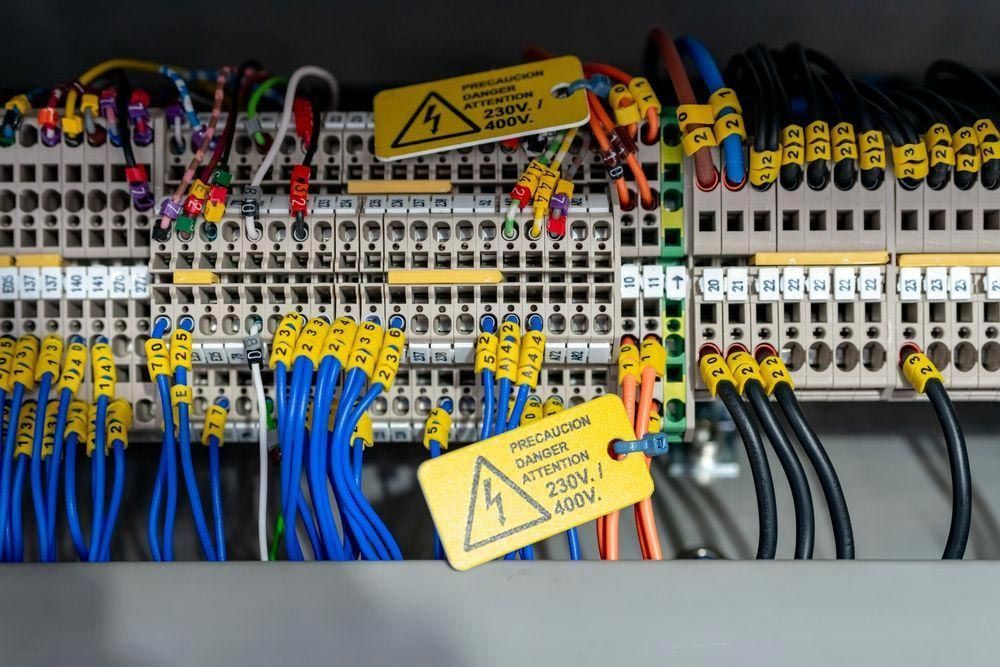
- Are circuits labelled clearly so you know what controls what?
If your home is older, the switchboard may not match modern household demand. That does not automatically mean it is unsafe, but it can mean it is working harder than it used to. Winter often makes those limits more noticeable.
If you are not sure what you are looking at, that is normal. A licensed professional can check it properly and explain what is happening.
Outdoor Electrics Still Matter in Winter
Even if you are not spending as much time outside in winter, outdoor electrical components still deal with moisture, debris and wear. Outdoor problems can also affect the house more than people expect, particularly if water gets into a fitting or a cover is no longer sealing properly.
Quick things to look at:
- Outdoor power points with cracked covers or loose fittings
- Security lighting that flickers or no longer works reliably
- Shed or garage outlets that have been bumped or damaged
- Extension cords that have lived outdoors longer than they should
If water gets into an outdoor fitting, it can trip circuits or cause faults that are hard to track down. If you want peace of mind, this is something an electrician can check before wetter weather and longer evenings put outdoor lighting to greater use.
Holiday Homes & Rentals
If you own a holiday home or an investment property, winter checks are still worth doing, even if the place is not occupied every day. Properties that sit empty can develop issues that go unnoticed. Then someone arrives, switches everything on, and problems show up all at once.
For these properties, helpful steps include:
- Booking a pre-winter electrical check while access is easy
- Making sure safety switches are working properly
- Checking common high-use items like heaters, hot water systems, and appliances
- Ensuring outdoor lighting and entry lighting are reliable for evening arrivals
This is also about avoiding inconvenient call-outs. If a tenant reports a tripping breaker or a sparking power point during a cold week, you will usually want it dealt with quickly. Planning early helps reduce reactive work and can reduce the likelihood of needing urgent electrical repairs during winter.
When to Act: Signs a Small Issue Is Becoming a Bigger One
Many electrical problems start quietly. Winter makes them more noticeable because usage is heavier and more consistent. The key is to respond when signs appear, not when something fails completely.
Signs that are worth acting on include:
- Power points that feel warm or look discoloured
- A breaker that trips more often than it used to
- Lights that flicker when appliances turn on
- A burning smell that comes and goes
- A buzzing sound around a switch, light, or power point
None of these needs panic. They do need attention. Getting on top of these issues early is usually simpler than waiting until a fault becomes disruptive.
This is also where routine servicing helps. Many winter problems are not sudden surprises. They are small wear issues that finally show up when the home starts using more power daily.
Book an Electrician on the Sunshine Coast
At Hennig Electrical Services, we help homeowners across the Sunshine Coast get their homes ready for winter by checking the parts of the electrical system that tend to be under more pressure once nights get cooler and the house is used more heavily. Salt air, humidity and everyday wear can all affect outlets, switchboards and outdoor fittings over time, even in well-kept homes. If you would like to book an inspection or talk through concerns before they turn into urgent jobs, visit https://www.hennigelectrical.com.au/ and
contact us today.