Electrical Burning Smell In Your Home? Here’s What To Do Immediately
If you're a Sunshine Coast homeowner and can smell burning near an outlet, switch, or appliance, treat it as a warning sign, not a nuisance. A burning electrical smell almost always means something is overheating: insulation, wiring or a component, and it can escalate to a house fire faster than most people expect. Here's what the smell usually means, what's likely causing it, and when it's time to call an electrician on the Sunshine Coast.
What Does a Burning Electrical Smell Usually Indicate?
A burning smell from an electrical source usually means insulation, plastic or a component is heating up beyond its safe limit. Unlike a candle or food burning, this smell often has a sharp, acrid quality, almost "plasticky" or "fishy". That's the smell of PVC insulation or resin breaking down under heat.
It's different from dust burning off a heater, which fades after a few minutes of use, or a one off smell from a new appliance. A persistent or worsening burning smell, especially one tied to a specific outlet, switch or appliance, points to an active fault rather than a harmless quirk.
Example: A Buderim homeowner noticed a faint burning smell near the kitchen powerpoint every time the kettle and toaster ran at the same time. The overloaded circuit had scorched the powerpoint's internal contacts. Caught early, it was a simple fix. Left another few weeks, it could have ignited the surrounding cabinetry.
Which Household Electrical Faults Can Cause Burning Smells?
Several common faults produce that distinct burning odour and most trace back to overheating at a connection point or inside a device.
- Overloaded circuits: Too many appliances drawing power through one circuit or powerboard causes wiring and outlets to run hotter than they're rated for.
- Loose wiring connections: Over time, screws and terminals in switches, outlets and switchboards can loosen. A loose connection creates resistance and resistance creates heat.
- Failing appliances: Motors, heating elements and internal wiring in appliances degrade with age and can short or overheat internally.
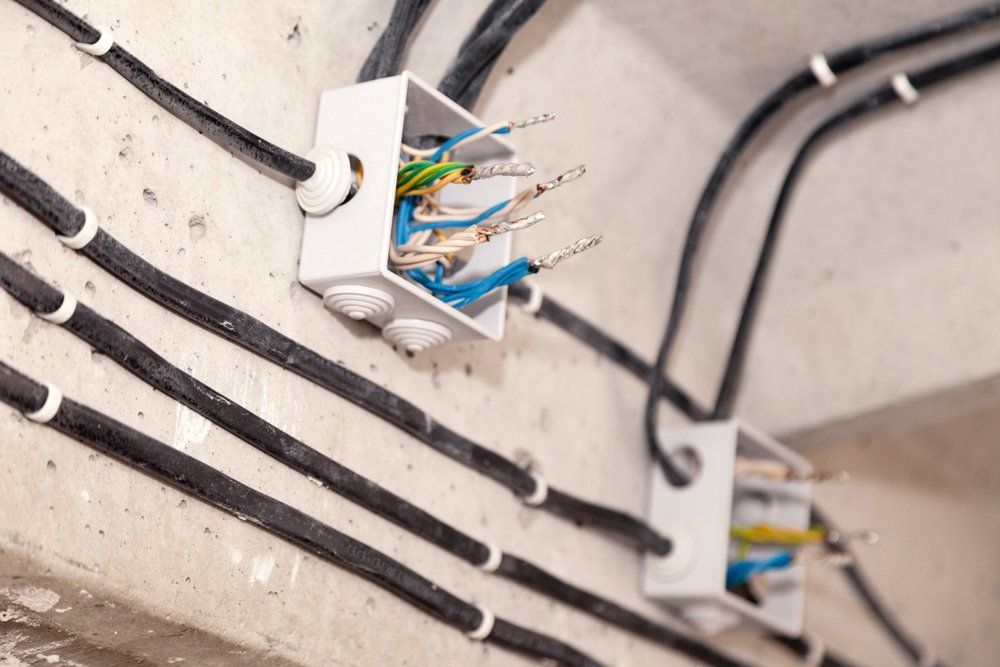
- Damaged or chewed cabling: Rodents, wear or old insulation can expose live wiring, especially in roof spaces and wall cavities.
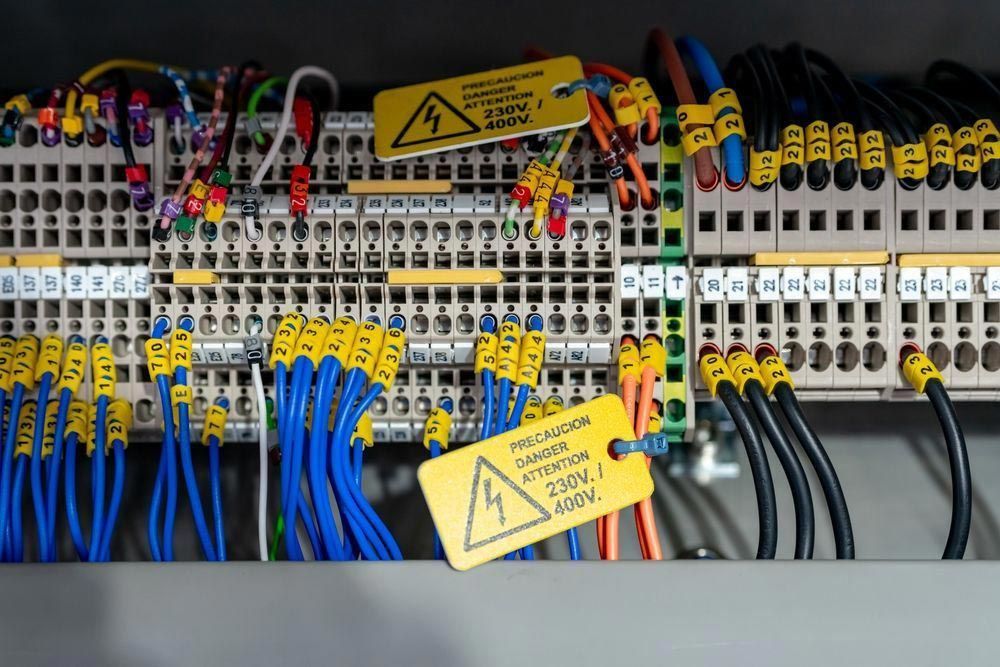
- Faulty circuit breakers or switchboards: An ageing switchboard or a breaker that isn't tripping correctly can allow a fault to persist instead of cutting power safely.
- Old or incompatible light fittings: LED downlights installed without the correct dimmer or transformer compatibility can overheat the fitting or driver.
Each of these faults shares the same underlying risk. Heat builds up somewhere it shouldn't, with nowhere safe to go.
Is It Safe to Ignore or Investigate the Smell Yourself?
Never ignore a burning electrical smell, and know that there's a firm limit to what's safe to investigate yourself. You can safely do a few basic checks, but you should never open a switchboard, remove an outlet cover or attempt to trace wiring behind walls.
What you can safely do:
- Identify which room or appliance the smell is coming from.
- Switch off and unplug the specific appliance if it's obviously the source.
- Turn off the circuit at the switchboard if you can do so without opening it (flicking an external switch is fine).
- Ventilate the area by opening windows and doors.
What you should never do yourself:
- Remove powerpoint or switch covers to look for scorching.
- Touch or reset a breaker that keeps tripping.
- Continue using an appliance "just to see" if the smell returns.
- Assume the smell has gone away because it's no longer noticeable. Smouldering insulation can smoke intermittently.
If the smell is strong, accompanied by visible smoke, sparking or discolouration around an outlet, evacuate the area and call an emergency electrician immediately. This isn't a wait and see situation. An emergency electrician can attend urgently to isolate the fault safely and identify the cause before it becomes a fire risk.
What to Expect When a Sunshine Coast Electrician Investigates a Burning Smell
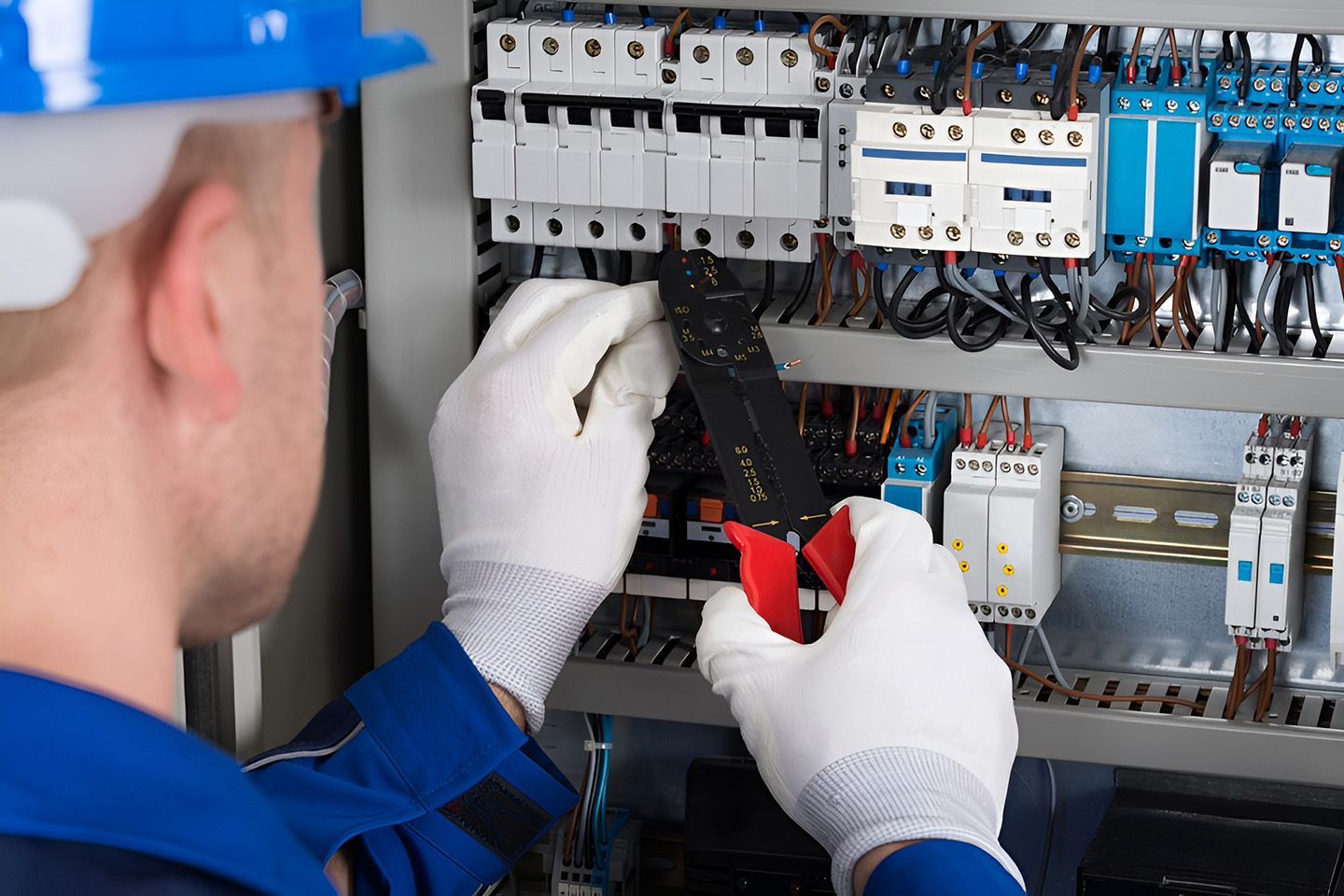
A licensed electrician will typically isolate the affected circuit first, then use thermal imaging or a multimeter to locate the exact source of heat build up. From there, they'll inspect connections, wiring insulation and the switchboard itself before recommending a repair, whether that's re-terminating a loose connection, replacing damaged cabling or upgrading an overloaded circuit.
This is also where DIY approaches fall short. A burning smell can originate several metres from where it's actually noticeable, travelling through wall cavities or ceiling spaces, so pinpointing the true source takes proper diagnostic equipment and experience.
A burning smell is never something to sit on. Isolate what you safely can, then get a licensed electrician on the Sunshine Coast out to find and fix the fault before it turns into something far more costly and dangerous.
Frequently Asked Questions