Why Your Circuit Breaker Keeps Tripping (And How Electrical Repairs Can Fix It)
A circuit breaker trips because it detects more current flowing through a circuit than it's rated to handle, and it cuts power before that overload turns into overheating or fire. Sometimes that's a one-off, caused by a single overloaded power point. Other times it's a signal of a wiring fault, a failing appliance, or an ageing switchboard that needs attention. If your breaker keeps tripping, a licensed electrician on the Sunshine Coast can pinpoint which one you're dealing with before it becomes a bigger problem.
Why Does a Circuit Breaker Keep Tripping in the First Place?
A breaker trips for one of three core reasons: overload, a short circuit, or a ground fault. An overload happens when too many appliances draw power from a single circuit at once, pushing current past the breaker's rated limit. A short circuit occurs when a live wire touches a neutral wire, causing a sudden surge that the breaker cuts off almost instantly. A ground fault is similar, but the live wire contacts an earthed surface instead, such as a metal appliance casing or damp wall cavity.
Each cause looks slightly different in practice. An overload trip tends to happen gradually, often when you switch on a high-draw appliance like a heater or hair dryer. A short circuit trip is immediate and forceful, sometimes accompanied by a visible spark or a burning smell near the point of use. As an example, a homeowner running a kettle, toaster, and microwave off the same kitchen circuit during breakfast is a classic overload scenario — nothing faulty, just too much demand in one place.
Is a Tripping Breaker Always a Serious Electrical Issue?
Not always, but repeated tripping is never something to ignore. A single trip after plugging in a new appliance is usually just the breaker doing its job. If the same breaker trips multiple times a week, or trips the moment you reset it, that points to a fault in the circuit itself rather than a one-off overload.
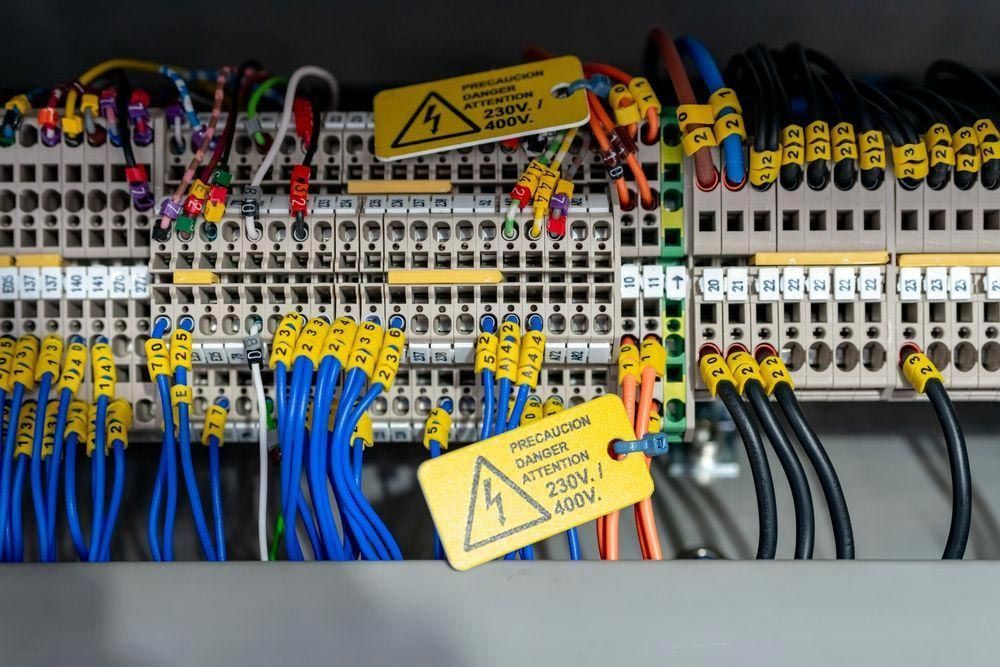
Warning signs that indicate a more serious issue include a switchboard that feels warm to the touch, a burning smell near outlets or the switchboard, visible scorch marks, or a buzzing sound when the breaker is reset. These signs suggest deteriorating wiring insulation, a loose connection, or a breaker that's failing internally — all of which need an electrician's inspection rather than a DIY reset-and-hope approach.
Can Overloaded Power Points or Appliances Cause This Problem?
Yes, and it's one of the most common causes electricians see in Sunshine Coast homes. Double adapters, power boards daisy-chained together, and high-draw appliances like air conditioners, pool pumps, and space heaters all add load to circuits that were often designed decades ago for far lighter use. During the region's hot, humid months, air conditioners running continuously can push an already-stretched circuit past its limit, especially in older homes with outdated switchboards.
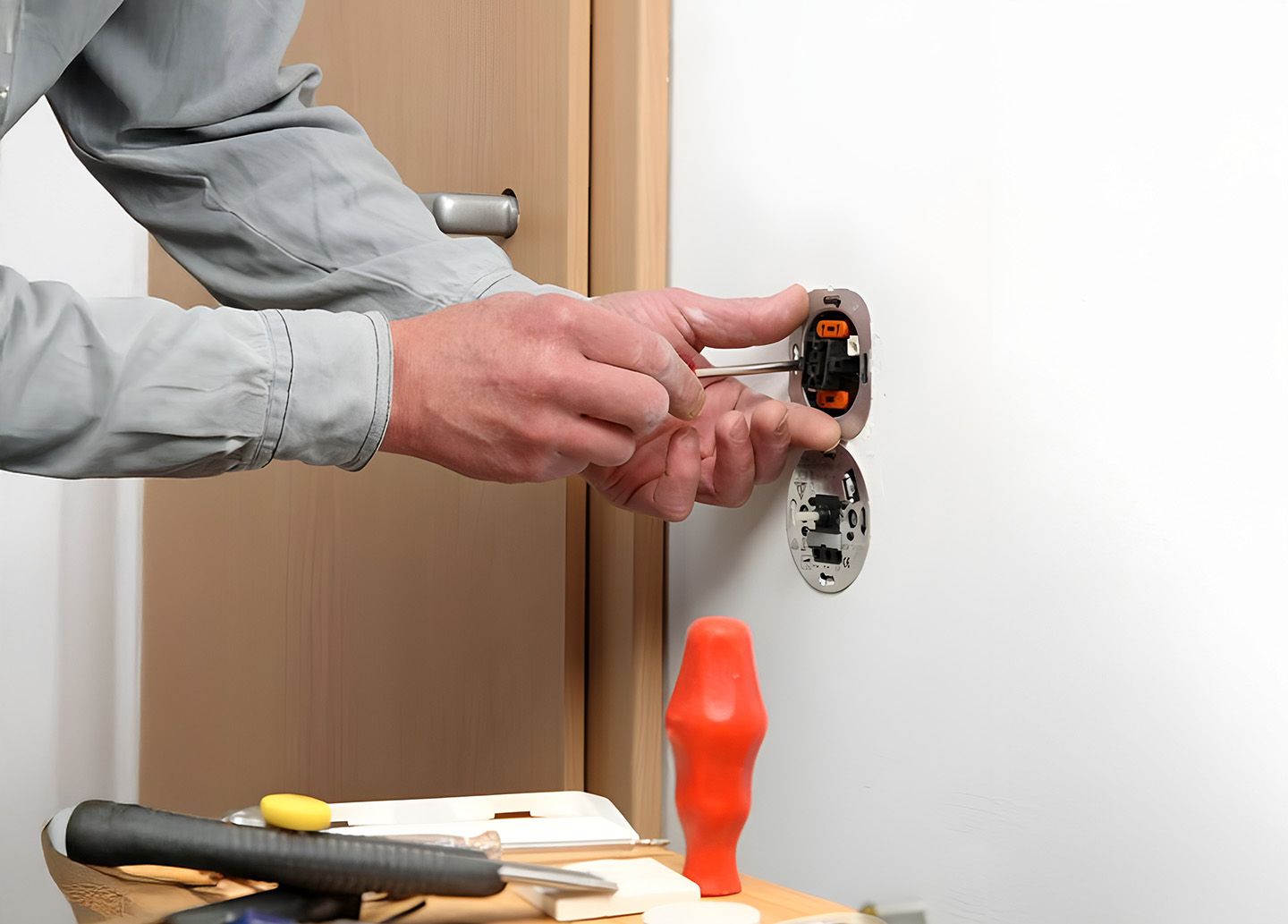
A single faulty appliance can also be the culprit even without overloading anything. A washing machine with a failing heating element or a fridge compressor with a worn motor can draw an abnormal current spike and trip the breaker every time it's used. Unplugging appliances one at a time and testing the circuit is a useful first step, but confirming the cause with a licensed electrician avoids guesswork and repeat call-outs.
When Should You Call a Sunshine Coast Electrician for Repairs?
Book an inspection if any of the following apply: the breaker trips more than once in a week, it won't reset at all, the switchboard feels warm or smells of burning plastic, lights flicker before the trip, or the trips started after recent renovation work. These are signs the fault sits in the wiring or switchboard rather than in a single appliance, and continuing to reset the breaker without diagnosis risks further damage or fire hazard.
What Do Professional Electrical Repairs Involve?
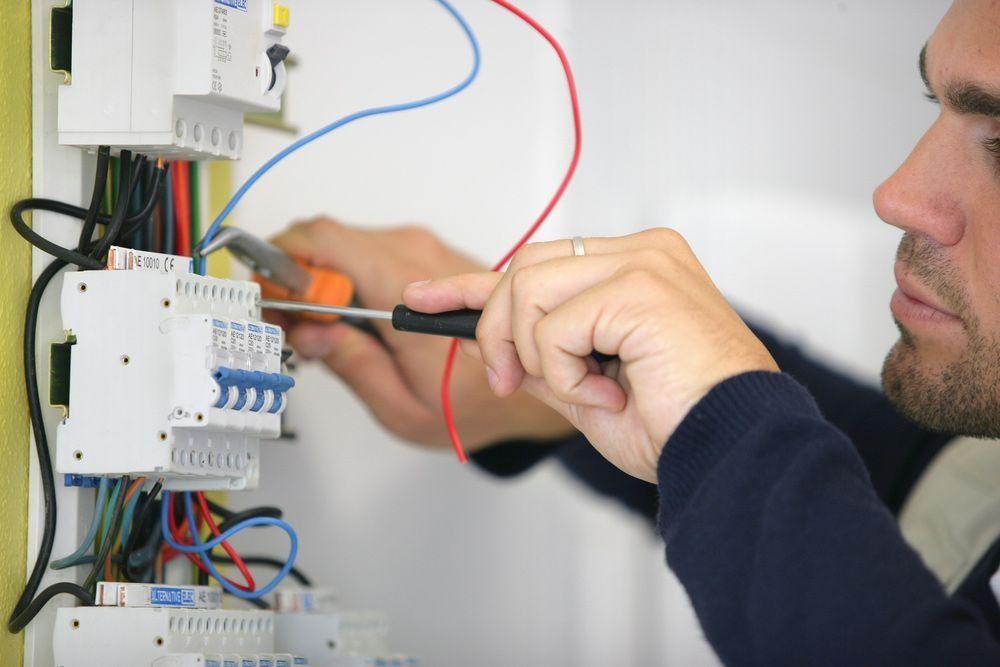
A proper diagnosis starts with a visual and thermal inspection of the switchboard, checking for scorch marks, loose terminals, and signs of moisture ingress — common in coastal properties. The electrician then tests individual circuits to isolate which one is faulting, often using a process of elimination combined with insulation resistance testing. This identifies whether the fault sits in the wiring, a specific outlet, or an appliance connected to that circuit.
Depending on what's found, repairs can range from replacing a worn breaker or tightening a loose connection, to rewiring a damaged section of circuit, to recommending a switchboard upgrade if the board is outdated or undersized for the property's current load. Older Sunshine Coast homes, particularly those built before the 1990s, often benefit from a switchboard upgrade regardless of the immediate fault, since ceramic fuses and ageing breakers don't offer the same protection as modern safety switches.
A tripping breaker is your electrical system telling you something specific, not just an inconvenience to reset and forget. Treat repeated trips as a diagnostic clue: note when they happen, what's plugged in, and whether the switchboard shows any physical signs of stress, then get a licensed electrician to confirm the cause before it escalates into a wiring fire or total circuit failure.
Frequently Asked Questions